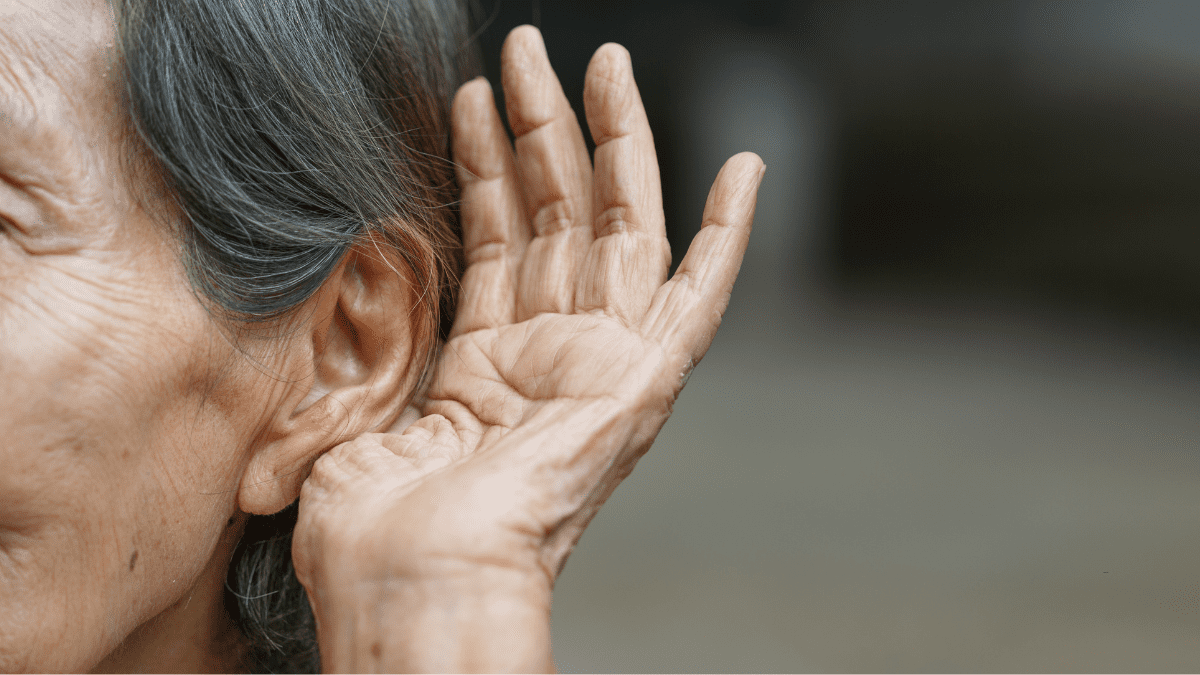
Hearing loss is a common condition that affects millions of people worldwide, impacting their ability to communicate and interact with their environment. This blog aims to provide a comprehensive overview of hearing loss, exploring its prevalence, complications, different types, stages, preventive measures, and frequently asked questions.
Hearing loss refers to the partial or complete inability to hear sounds in one or both ears. It can occur at any age and can be caused by various factors, including genetics, aging, noise exposure, infections, and physical trauma. Hearing loss is not just a medical issue; it significantly affects the quality of life, leading to social isolation, depression, and cognitive decline.
How Common Is Hearing Loss?
Hearing loss is one of the most prevalent chronic conditions globally. According to the World Health Organization (WHO), over 466 million people, or about 5% of the world’s population, have disabling hearing loss. The prevalence increases with age, with nearly one in three people over the age of 65 experiencing hearing impairment.
5 Complications Associated with Hearing Loss
Hearing loss can lead to numerous complications, including:
- Communication Difficulties: Making it hard to engage in conversations, follow instructions, and enjoy social activities.
- Social Isolation: Leading to feelings of loneliness and depression.
- Safety Concerns: Difficulty hearing alarms, traffic, and other important sounds.
- Cognitive Decline: Increased risk of dementia and other cognitive impairments.
- Emotional Impact: Stress, anxiety, and decreased overall quality of life.
3 Main Types of Hearing Loss/Impairment
There are three primary hearing disability types: conductive, sensorineural, and mixed. Each type has distinct causes, symptoms, diagnostic methods, and treatment options.
1. Conductive Hearing Loss
Conductive hearing loss occurs when sound waves are unable to reach the inner ear.
Common Causes Of Conductive Hearing Loss:
- Ear infections
- Fluid in the middle ear
- Earwax blockage
- Eardrum perforation
- Otosclerosis (abnormal bone growth in the middle ear)
Signs & Symptoms:
- Muffled or softer sounds
- Difficulty hearing faint sounds
- Sensation of blocked ears
How Is Conductive Hearing Loss Diagnosed?
- Physical Examination: To check for blockages or infections.
- Hearing Tests: Audiometry to measure hearing levels.
- Imaging Tests: CT scans or MRIs if structural abnormalities are suspected. This would be recommended or advised by the ENT Consultant.
Treatment Options:
- Medications: Antibiotics for infections.
- Ear Cleaning: Removal of earwax or foreign objects.
- Surgery: To repair perforated eardrums or correct structural issues.
- Hearing Aids: To amplify sound.
2. Sensorineural Hearing Loss
Sensorineural hearing loss (SNHL) is caused by damage to the inner ear or auditory nerve.
Causes Of Sensorineural Hearing Loss:
- Aging (presbycusis)
- Noise exposure
- Genetic factors
- Head trauma
- Ototoxic medications (drugs that damage hearing)
- Diseases such as Meniere’s disease
Signs & Symptoms:
- Difficulty understanding speech, especially in noisy environments
- Ringing in the ears (tinnitus)
- Sounds seem distorted or unclear
How Is Sensorineural Hearing Loss Diagnosed?
- Hearing Tests: Audiometry to assess hearing function.
- Imaging Tests: To rule out other conditions.
- Blood Tests: To identify underlying health issues.
Treatment Options For Sensorineural Hearing Loss:
- Hearing Aids: prescribed mostly for patients with sensorineural hearing loss.
- Cochlear Implants: Surgically implanted devices for severe cases.
- Medications: For conditions like Meniere’s disease.
- Assistive Listening Devices: Amplified phones or TV listening systems.
Treatment Side Effects:
- Hearing Aids: Initial discomfort, feedback noise, or ear infections.
- Cochlear Implants: Surgery risks include infection, device malfunction, or facial nerve damage.
3. Mixed Hearing Loss
Mixed hearing loss is a combination of conductive and sensorineural hearing loss, resulting from problems in both the middle and inner ear.
Causes Of Mixed Hearing Loss:
- Chronic ear infections
- Head trauma
- Genetic conditions
- Aging
Signs & Symptoms Of Mixed Hearing Loss:
- Combination of conductive and sensorineural symptoms.
- Difficulty hearing both faint and loud sounds.
How Is Mixed Hearing Loss Diagnosed?
- Comprehensive Hearing Evaluation: To determine the extent and nature of hearing loss.
- Medical Examination: To identify the underlying causes.
Treatment Options:
- Combination Of Treatments: Addressing both conductive and sensorineural components.
- Hearing Aids: Suitable for amplifying sounds.
- Surgery: To correct conductive issues.
Hearing disabilities, also known as hearing impairments or hearing loss, can be classified into several types based on where the hearing loss occurs within the auditory system. The main types of hearing disabilities are
Auditory Processing Disorder (APD):
APD is a condition where the brain has difficulty processing sounds, including understanding speech. People with APD typically have normal hearing ability, but they struggle with interpreting the sounds they hear. This can be due to developmental issues or brain injuries. Treatment often involves specialized therapy and strategies to improve auditory processing skills.
Causes of APD:
- Neurological Factors: Developmental anomalies in the auditory cortex and related pathways.
- Genetic Predisposition: Family history of APD or related learning disabilities.
- Environmental Factors: Chronic ear infections (otitis media) in early childhood.
- Neurological Condition : Traumatic brain injury, stroke, or neurodegenerative diseases.
Signs and Symptoms Of Auditory Processing Disorder (APD):
- Difficulty Understanding Speech: Especially in noisy environments or when multiple people are speaking.
- Problems Following Directions: Especially complex or multi-step instructions.
- Poor Listening Skills: Often perceived as inattentive or easily distracted.
- Difficulty With Phonological Awareness: Struggling with tasks like rhyming or decoding words.
- Delayed Response To Oral Communication**: Slow to process and respond to spoken information.
- Academic Challenges**: Particularly with reading, spelling, and language comprehension.
APD Diagnosis:
- Audiological Evaluation: Basic hearing tests to rule out peripheral hearing loss.
- Central Auditory Processing Tests: These may include tests for dichotic listening, auditory discrimination, auditory sequencing, and temporal processing.
- Behavioral Observations: Reports from teachers, parents, and caregivers about listening behaviors and difficulties.
- Multidisciplinary Assessment: Involvement of audiologists, speech-language pathologists, psychologists, and educators to provide a comprehensive evaluation.
Auditory Processing Disorder Treatment Options:
- Environmental Modifications: Using preferential seating, reducing background noise, and using assistive listening devices.
- Auditory Training Programs: Computer-based programs and therapeutic exercises designed to improve specific auditory processing skills.
- Speech-Language Therapy: Targeted interventions to improve language comprehension and production.
- Classroom Accommodations: Providing written instructions, using visual aids, and allowing extra time for tasks.
- Family And Teacher Education: Training to help understand and support the child’s needs.
Central Hearing Loss:
Central hearing loss occurs due to problems in the central nervous system, particularly the brain’s auditory pathways and centers. This type of hearing loss can be caused by conditions such as stroke, tumors, or traumatic brain injury. Management often involves rehabilitation and coping strategies, as it is typically not correctable with hearing aids.
Causes Of Central Hearing Loss:
- Brain Injury Or Trauma: Damage to the central auditory pathways due to head injury.
- Stroke: Disruption of blood flow to auditory regions of the brain.
- Tumors: Growths that affect the central auditory pathways or auditory cortex.
- Neurodegenerative Diseases: Conditions like multiple sclerosis or Alzheimer’s disease.
- Infections: Central nervous system infections that impact auditory processing.
- Aging: Degenerative changes in the brain with age.
Signs and Symptoms Of Central Hearing Loss:
- Difficulty Understanding Speech: Especially in complex auditory environments.
- Normal Peripheral Hearing Tests: Ability to detect sounds may be normal, but comprehension is impaired.
- Auditory Hallucinations: Hearing sounds that are not present.
- Difficulty With Sound Localization: Trouble determining where sounds are coming from.
- Misinterpretation Of Sounds: Inaccurate processing of auditory information.
How Is Central Hearing Loss Diagnosed?
- Audiological Evaluation: Includes standard hearing tests to rule out peripheral hearing loss.
- Imaging Studies: MRI or CT scans to identify structural abnormalities in the brain.
- Electrophysiological Tests: Auditory brainstem response (ABR) and other evoked potentials to assess neural processing of sounds.
- Neuropsychological Assessment: To evaluate cognitive functions and how they may impact auditory processing.
- Case History And Behavioral Observations: Information about symptoms and their impact on daily life.
Treatment Options:
- Medical Or Surgical Intervention: Depending on the underlying cause, such as treating a tumor or managing a stroke.
- Auditory Rehabilitation: Therapy to enhance auditory processing abilities, often with the help of audiologists and speech-language pathologists.
- Assistive Listening Devices: Such as hearing aids or cochlear implants, if peripheral hearing loss is also present.
- Compensatory Strategies: Training in techniques to improve communication, such as lip reading or using visual cues.
- Cognitive Therapy: To address any associated cognitive impairments and improve overall function.
- Pharmacological Treatment: In cases where central hearing loss is associated with neurodegenerative conditions, medications may be used to manage symptoms.
Both APD and CHL require a multidisciplinary approach for effective management, involving audiologists, speech-language pathologists, psychologists, educators, and medical professionals to address the diverse needs of individuals with these conditions.
4 Main Stages of Hearing Loss
Hearing loss is typically classified into four stages:
1. Mild Hearing Loss:
Individuals with mild hearing loss typically have trouble hearing soft sounds, such as whispers or distant conversations. In quiet settings, they can usually follow conversations but may miss some details. In noisy environments, understanding speech becomes challenging, and they might ask people to repeat themselves frequently. This level of hearing loss often leads to difficulties with background noises blending with speech, making it harder to focus on specific sounds.
2. Moderate Hearing Loss:
People with moderate hearing loss struggle to hear normal conversations, especially when there is background noise. They may have difficulty following discussions in group settings or on the phone without raising the volume. Everyday sounds, such as doorbells or telephones, might be missed or sound muffled. Hearing aids often become necessary to improve communication and reduce the effort needed to understand speech.
3. Severe Hearing Loss:
With severe hearing loss, individuals are unable to hear most sounds without the use of hearing aids. Conversations must be loud, and even then, speech might be unclear without amplification. They may rely on lip-reading and visual cues to assist in communication. Environmental sounds, like traffic or alarms, are often inaudible, posing safety risks and requiring significant lifestyle adjustments.
4. Profound Hearing Loss:
Profound hearing loss results in almost complete loss of hearing, making it extremely difficult to hear any sounds. Individuals with this level of hearing loss rely heavily on visual cues, such as lip-reading, sign language, and written communication. Assistive devices, like cochlear implants, might be necessary to perceive sounds. Everyday interactions and communication require substantial adaptation, often involving support from technology and alternative communication methods.
Preventive Measures For Hearing Impairment
Preventing hearing loss involves:
- Protecting Ears: Using earplugs or earmuffs in noisy environment.
- Avoiding Ototoxic medications: When possible.
- Regular Hearing Checks: Especially for those at risk.
- Healthy Lifestyle: Managing conditions like diabetes and hypertension.
- Ear Hygiene: Proper cleaning and care.
FAQs:
1. Can hearing loss be reversed?
Conductive hearing loss can often be treated and sometimes reversed with medical or surgical intervention. Sensorineural hearing loss is typically permanent, but its effects can be mitigated with hearing aids or cochlear implants.
2. How can I protect my hearing?
Protect your ears from loud noises, avoid inserting objects into your ears, manage chronic health conditions, and have regular hearing check-ups.
3. What are the common causes of hearing loss?
Hearing loss can be caused by aging, exposure to loud noises, infections, genetics, ear injuries, and certain medications that are toxic to the ear.
4. How can I tell if I have hearing loss?
Signs of hearing loss include frequently asking others to repeat themselves, difficulty following conversations in noisy environments, needing to turn up the volume on the TV or radio, and a feeling that others are mumbling.
5. What should I do if I suspect I have hearing loss?
If you suspect hearing loss, schedule an appointment with an audiologist for a comprehensive hearing evaluation. Early diagnosis can help in managing the condition effectively.
6. Can hearing loss be cured?
While many types of hearing loss, especially those caused by damage to the inner ear or nerve pathways, cannot be cured, they can often be managed with hearing aids, cochlear implants, and other assistive devices.
7. How can I protect my hearing in noisy environments?
To protect your hearing, use earplugs or noise-canceling earmuffs, take regular breaks from the noise, keep the volume at safe levels on personal audio devices, and follow occupational safety guidelines if you work in a noisy environment.
8. What are the symptoms of age-related hearing loss?
Age-related hearing loss, or presbycusis, often includes difficulty hearing high-pitched sounds, trouble understanding speech, especially in noisy settings, and needing to increase the volume on electronic devices.
9. How often should I have my hearing checked?
Adults should have their hearing checked at least once every 10 years up to the age of 50 and then once every 3 years after that. If you notice changes in your hearing or have risk factors for hearing loss, more frequent check-ups are recommended.
In conclusion, hearing loss requires attention and care, but with the right approach, its effects can be managed, allowing individuals to lead fulfilling and communicative lives.