
Hearing loss can profoundly impact communication, learning, and quality of life. While hearing aids work well for many people, they may not be effective in cases of severe or profound hearing loss. This is where cochlear implants offer a transformative alternative. In this article, we explore what cochlear implants are, their benefits and drawbacks, how they work, who qualifies, the cochlear implant cost in India, and what to expect during recovery and aftercare.
What Is A Cochlear Implant?
A cochlear implant is a small electronic device that can help provide a sense of sound to a person who is profoundly deaf or severely hard of hearing. Unlike hearing aids, which amplify sound, cochlear implants bypass damaged parts of the ear and directly stimulate the auditory nerve.
These devices are suitable for individuals who receive little or no benefit from conventional hearing aids and seek a more effective solution to restore hearing functionality.
Pros And Cons Of Cochlear Implants
Like any medical intervention, cochlear implants come with both benefits and potential drawbacks.
Pros:
● Improved Hearing Ability:
Most recipients experience significantly better sound awareness and speech understanding.
● Enhanced Communication:
Easier to talk on the phone and engage in conversations.
● Increased Safety:
Better ability to hear warning sounds and alerts.
● Improved Quality Of Life:
Especially for children, it supports language development and social integration.
Cons:
● Surgical Risks:
As with any surgery, there are risks like infection, bleeding, or device failure.
● Sound Quality:
The hearing experience is different from natural hearing and may take time to adjust.
● Expensive:
Cochlear implant costs can be high, especially without insurance.
● Not Always Effective:
Outcomes vary based on age, duration of hearing loss, and other factors.
If you’re evaluating implantable hearing solutions, it’s important to understand how different options compare. This detailed guide on baha vs cochlear implant can help you explore their differences, benefits, and suitability based on your condition.
Who Is Eligible For A Cochlear Implant?
Cochlear implant candidacy is determined by a thorough medical and audiological evaluation. Generally, candidates include:
- Adults or children with severe to profound sensorineural hearing loss in one or both ears
- Individuals who receive minimal benefit from high-powered hearing aids
- Patients with functional auditory nerves
- Children as young as 12 months (sometimes younger under special circumstances)
Eligibility also depends on overall health, psychological readiness, and commitment to follow-up care and therapy.
How Do Cochlear Implants Work?
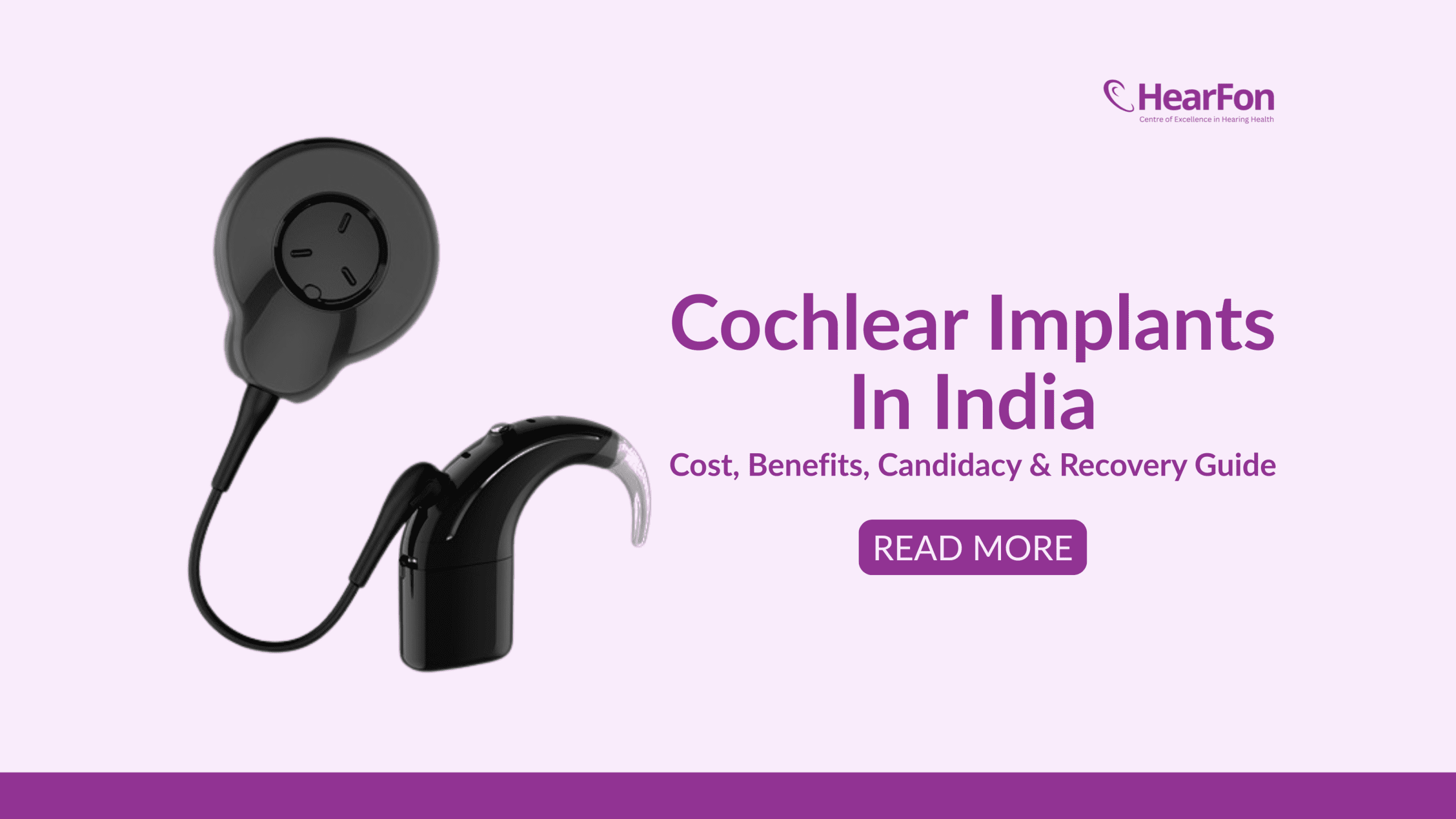
The implant consists of two parts:
1. External Component:
A microphone and speech processor worn behind the ear, which captures sound and converts it into digital signals.
2. Internal Component:
Surgically implanted under the skin, it receives digital signals and sends electrical impulses to electrodes placed in the cochlea. These impulses stimulate the auditory nerve, allowing the brain to perceive sound.
Though the sound is not the same as natural hearing, most recipients adapt well and can understand speech without lip reading over time.
What Does Surgery Entail?
The cochlear implant surgery is typically a 1.5 to 3-hour outpatient procedure performed under general anaesthesia.
Surgical Steps:
- A small incision is made behind the ear.
- A portion of the mastoid bone is drilled to access the cochlea.
- The internal receiver and electrode array are placed.
- The incision is closed, and the external device is connected later after healing.
The patient is usually discharged the same day or after an overnight observation. Cochlear implant surgery recovery begins immediately after, but full activation occurs a few weeks later.
How Much Does A Cochlear Implant Cost?
The cochlear implant cost in India varies based on hospital, surgeon, device brand, and city. Here’s a general breakdown:
- Implant Device: ₹5 to ₹8 lakhs
- Surgery & Hospital Charges: ₹1 to ₹2 lakhs
- Pre-surgery Tests & Post-surgery Therapy: ₹50,000 to ₹1 lakh
Total Estimated Cochlear Implant Price in India: ₹6.5 to ₹11 lakhs
With Insurance:
- Some private insurance policies may partially cover the cost of cochlear implant with insurance, but approval often depends on specific policy terms.
- Government schemes like ADIP (Assistance to Disabled Persons) provide implants free or at subsidized rates for eligible low-income patients.
Cochlear Implant Replacement Cost
If the device malfunctions after the warranty period (typically 5–10 years), replacement cost may range from ₹3 to ₹6 lakhs.
What Is The Recovery Time After Cochlear Implant Surgery
Cochlear implant surgery recovery typically involves:
- Initial Healing: 1–2 weeks after surgery, with care for the incision site.
- Device Activation: 2–4 weeks post-surgery, where the external processor is fitted and programmed.
- Adjustment Period: Several weeks to months to get accustomed to sounds.
- Speech Therapy: Especially crucial for children and adults with long-standing hearing loss.
Most people resume normal activities within a week, though full auditory rehabilitation takes several months.
Aftercare Tips For Cochlear Implant Recipients
Effective cochlear implant aftercare is essential for long-term success:
1. Regular Audiology Visits
Initial tuning and programming are done frequently in the first few months, then annually.
2. Speech And Auditory Therapy
Helps interpret new sounds and develop listening and speaking skills.
3. Avoid Water And Dust Exposure
Keep the external processor dry; avoid swimming without protective accessories.
4. Battery And Equipment Maintenance
Ensure batteries are charged and the processor is cleaned daily.
5. Protect From Physical Impact
Avoid contact sports or head trauma that might damage the internal device.
Cochlear implants have transformed the lives of people with severe hearing loss, especially when hearing aids are no longer effective. By understanding how they work, who qualifies, what to expect after surgery, and the role of insurance in covering costs, patients can make informed choices. Though the initial expense can be high, the long-term benefits in communication and quality of life often make it a valuable option. With the right care and rehabilitation, cochlear implant users can reconnect with the world of sound.
Leave a Reply