
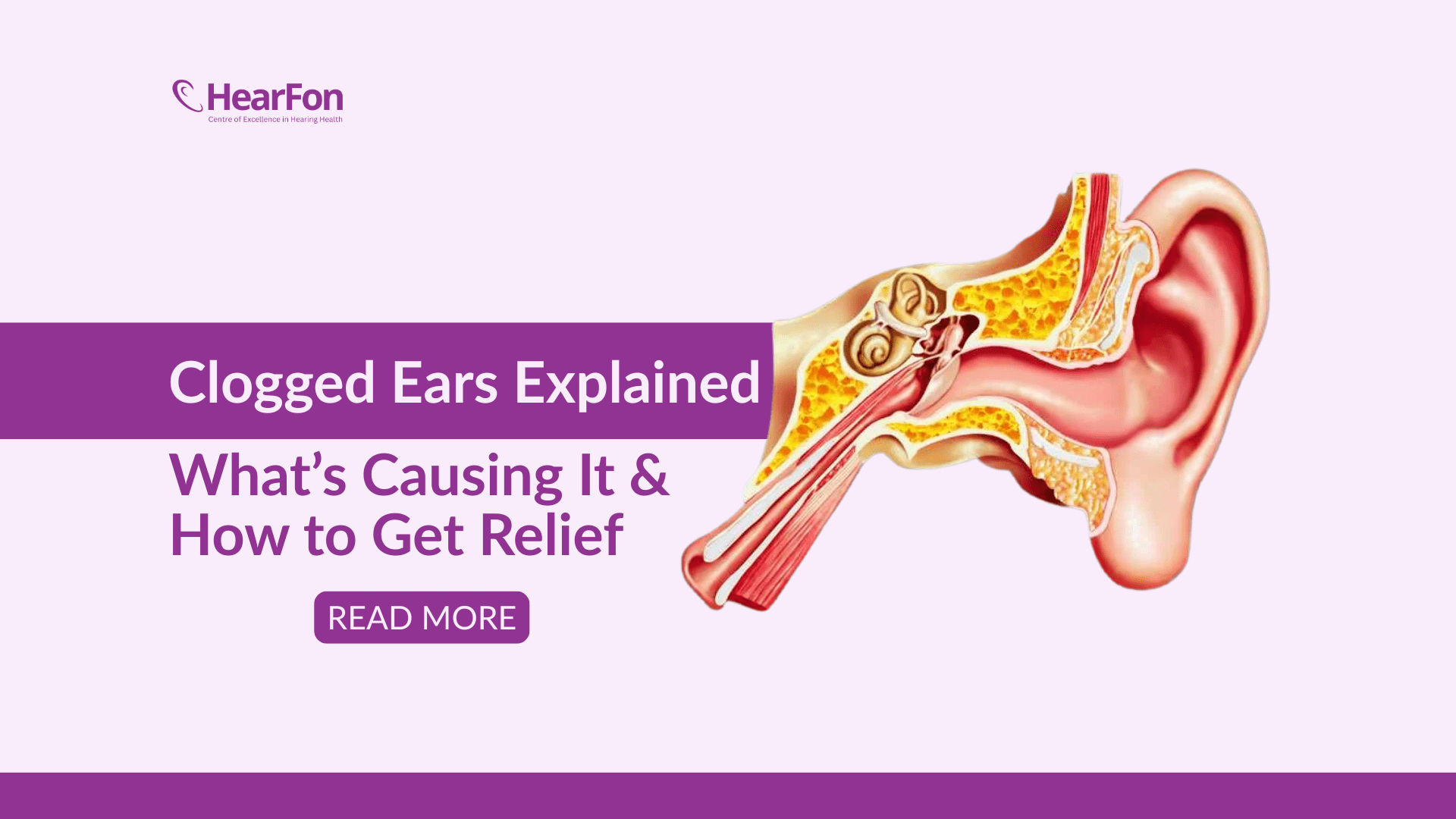
Clogged ears, also referred to as ear congestion or muffled ears, are a common condition that can affect individuals of all ages. Whether caused by pressure changes, fluid buildup, or an underlying medical condition, a clogged ear can disrupt your hearing and daily life. In this article, we’ll explore what it feels like to have clogged ears, what causes them, and how to treat and prevent the condition effectively.
What Does It Feel Like to Have Clogged Ears?
Clogged ears can feel uncomfortable and disorienting. People often describe it as a sensation of fullness or pressure inside the ear, similar to what you might experience during a flight or while driving through mountains. Some may experience muffled hearing, a popping sound, or a feeling like something is “stuck” in the ear. In more severe cases, clogged ears can cause slight pain, dizziness, or even temporary hearing loss.
7 Common Causes of Ear Congestion
There are several clogged ear causes, including:
1. Earwax Buildup
Excess wax can harden and block the ear canal, leading to clogged hearing and discomfort.
2. Sinus Infections Or Colds
Respiratory infections can cause fluid and mucus buildup in the Eustachian tube, leading to ear congestion.
3. Allergies
Inflammation from allergies can block the Eustachian tubes, resulting in blocked ear.
4. Air Pressure Changes
Rapid altitude changes, such as during flying or scuba diving, can cause ear blockage symptoms due to unequal pressure inside and outside the ear.
5. Water Trapped In The Ear
Swimming or bathing can sometimes leave water trapped in the ear canal, a common reason behind blocked ear remedies being sought.
6. Ear Infections
Otitis media, a middle ear infection, can lead to inflammation and fluid buildup.
7. Temporomandibular Joint (TMJ) Disorders
Jaw disorders may indirectly cause sensations of ear fullness or blockage
6 Home Remedies For Clogged Ears That Can Come Handy
Mild cases of clogged ears can often be relieved at home. Here are some home remedies for clogged ears:
1. Warm Compress
Applying a warm cloth over the affected ear can help loosen earwax or reduce pressure caused by infections.
2. Steam Inhalation
Breathing in steam can relieve sinus pressure and unblock the Eustachian tubes.
3. Valsalva Maneuver
Gently pinch your nose, close your mouth, and exhale slowly. This can help equalize ear pressure.
4. Olive Oil Or Mineral Oil
A few drops in the ear can soften hardened wax for easier removal.
5. Hydrogen Peroxide Drops
A diluted hydrogen peroxide solution may help break down excess earwax, but should be used with caution.
6. Yawning Or Chewing Gum
This helps open the Eustachian tubes, especially during altitude changes.
Note: These blocked ear remedies should not be used if you suspect an infection or have a perforated eardrum. Always consult a healthcare provider first.
When To See A Doctor?
You should consult a doctor if:
- Symptoms persist beyond a few days
- You experience severe pain, dizziness, or fever
- There is drainage or bleeding from the ear
- Home remedies do not provide relief
- You experience significant or sudden hearing loss
Ignoring symptoms could lead to complications, especially if the root cause is an infection or structural issue.
Diagnosis And Tests For Clogged Ears
If symptoms persist, a healthcare provider may conduct the following:
1. Otoscopy
A visual examination using an otoscope to check for wax buildup, infection, or abnormalities in the ear canal.
2. Tympanometry
Measures the movement of the eardrum to evaluate pressure within the middle ear.
3. Audiometry
A hearing test to assess the extent of hearing loss and its potential causes.
4. Nasal Endoscopy Or Sinus Imaging
If sinus issues or allergies are suspected, further tests may be done to examine the nasal passages and sinuses.
These types of hearing tests help determine the appropriate clogged ears treatment plan.
Medical Treatment For Muffled Ears
Depending on the cause, doctors may recommend:
1. Earwax Removal
Manual removal by a professional using irrigation or suction.
2. Decongestants Or Antihistamines
Useful for sinus-related ear congestion due to colds or allergies.
3. Antibiotics
Prescribed for bacterial infections such as otitis media.
4. Steroid Nasal Sprays
To reduce inflammation and promote drainage.
5. Myringotomy
A surgical procedure where a small incision is made in the eardrum to relieve pressure or drain fluid.
Prompt medical blocked ear treatment can prevent further complications and restore normal hearing function.
Preventive Measures And Tips To Manage Ear Congestion
Preventing clogged ears involves adopting some basic habits:
1. Maintain Ear Hygiene
Avoid using cotton swabs deeply in the ear canal. Let wax exit naturally or use doctor-approved softening drops.
2. Treat Allergies Promptly
Uncontrolled allergies can lead to chronic Eustachian tube issues.
3. Avoid Smoking
Smoking can impair the respiratory system and increase ear infections.
4. Use Earplugs When Swimming
Prevent water from getting trapped in the ears.
5. Chew Gum During Flights
It helps equalize ear pressure during altitude changes.
6. Stay Hydrated And Manage Colds
Keeping mucus thin can reduce ear blockage symptoms.
Proactive measures go a long way in minimizing the frequency and severity of ear congestion.
Ear congestion can be an irritating and disruptive experience, but understanding the underlying clogged ear causes and knowing when to seek help makes all the difference. Whether you’re dealing with muffled ears due to a cold or experiencing pressure changes while traveling, a range of remedies—from home care to medical intervention—can offer relief. For persistent or painful cases, always consult a healthcare provider to ensure proper clogged ears treatment and avoid complications. With proper care and preventive steps, you can keep your ears healthy and your hearing clear.